Talk n Listen

Secure in a Relationship: Characteristics and Relationship Dynamics
Charisse Swart
Have you ever wondered why some relationships seem effortless while others struggle constantly? The answer may lie in attachment styles, particularly the secure attachment. Read where I give the broad definition of each. This powerful bond forms the foundation of thriving relationships, offering a blend of intimacy and independence many crave. In this post, we'll uncover the secrets of secure attachment, exploring its origins, benefits, and how it compares to other styles. Whether you're looking to strengthen your relationships or simply curious about the dynamics of human connection, prepare to dive into the world of secure attachment – and discover how it might transform your approach to love and partnerships.
1. Characteristics of secure attachment:
- Comfort with intimacy and independence
Individuals with a secure attachment style have no trouble being vulnerable with their partner. They are willing to be intimate for the sake of their relationship. These people are also comfortable with doing things on their own. They don’t need to be constantly in the company of their partner. Being secure in themselves and their relationship allows their partner to feel like they are not being confined in the relationship.
- Ability to communicate emotions effectively
Some people have a hard time expressing their feelings. Even if you have a secure attachment style this can be challenging. Yet you productively share your emotions for you know the value it adds to the relationship. Communication is the backbone to a healthy relationship.
- Trust in partner and relationship
Trusting your partner is vital for a strong relationship. Jealousy can ruin the trust you have built in the relationship previously. Having the ability to trust your partner makes it easier for you and them to feel safe together.
- Positive view of self and others
How you view yourself and the others around you makes a difference in how you interact with those you surround yourself with. Have you ever heard you attract what you are? Negative people will attract more negativity, the opposite is true for positive people. If you are positive more and more positive events and people will come into your life.
- Resilience in the face of relationship challenges
Let’s face it, life is full of challenges. The trick is to be resilient and bounce back after a setback. Some of your other attachment styles, when faced with challenges, have a hard time getting over it. But a secure attachment style is usually good at this.
- Healthy boundaries
Like all things in life, there has to be balance, and setting healthy boundaries is creating a balance. Without it, you can give too much of yourself or allow others to take it without thinking of the consequences.
2. How secure attachment develops:
-Consistent and responsive caregiving in childhood
As with most attachment styles, secure attachment is developed mostly during childhood. Having a consistent home life with healthy parents helps a child grow into a healthy adult.
-Positive early relationship experiences
The way relationships are formed in the early stages of life plays a part in how we view and interact with other relationships as we grow up. If you are a caregiver to a child remember you have a responsibility on how the child will grow up.
-Emotional support and validation from caregivers
I am a believer that children need boundaries as well as emotional support. If you grow up with parents who have given you the support you needed while growing up you probably have a good self-image and are secure in who you are. For the most part, if you don’t get validation from a parent or parent figure in your life you seek it in other ways which aren’t always healthy.
-Learning healthy coping mechanisms
We have looked at challenges in life earlier, to deal with them you have had to learn how to cope in difficult situations.
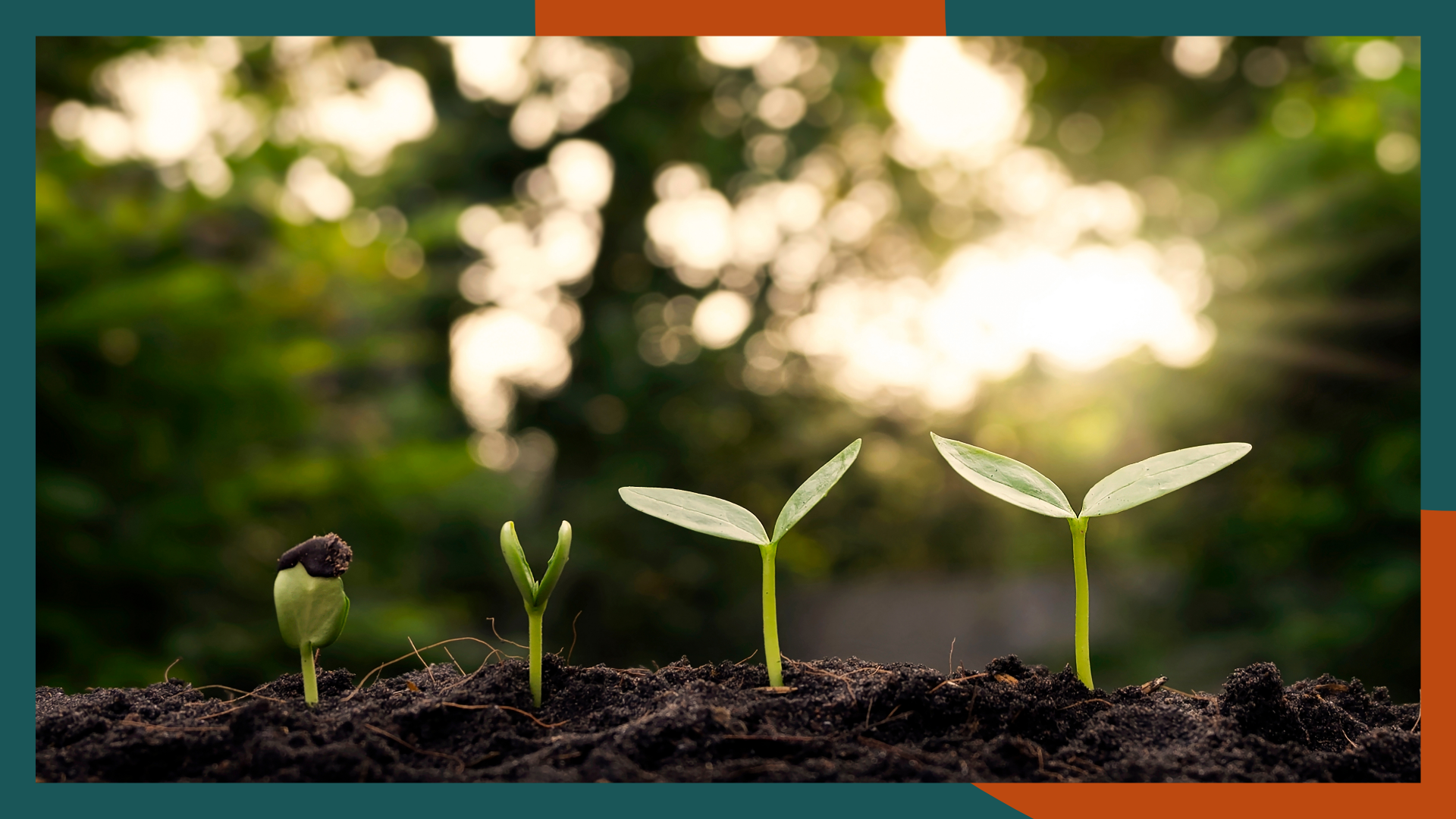
Trees that grow in the open without protection grow while the wind blows and there are dry season. They are strong and resilient; they learn to handle the stressors of life.
Trees that grow protected from wind, always receive water, while they are bigger and more beautiful and less resilient. When the torrent of life comes their branches break. The way you handle stress has to do with how much you were protected from it as a child.
- Developing self-worth and self-efficacy
There comes a time when you have to take responsibility for your development. Yes, the way you grow up has a lot to do with how you are as an adult, but making excuses for how you grow up won’t change a thing. You have to pull up your socks and make a choice to change yourself to have self-worth and self-efficacy.
3. Benefits of secure attachment in relationships:
- Higher relationship satisfaction
Watching the drama unfold on a screen is entertaining, yet when it takes place in our own lives it is not so fun. Being part of a relationship that leaves you feeling satisfied is something that you can expect when you are part of a relationship centered around being secure individuals.
- Better conflict resolution skills
Skills are something you acquire during your life and being a secure attachment gives you the best chance of having the skills to handle conflict. There are always improvements that can be made. You are less likely to blame, throw a pity party, or withdraw.
- Increased emotional intimacy
Being emotionally intimate allows you to become closer with your partner. Personally to be able to open up and be vulnerable with my husband is a blessing. We get to connect on a deeper level and our relationship is stronger for it.
- Lower levels of anxiety and jealousy
Because secure individuals trust and are secure in who they are, they have low levels of anxiety and jealousy. They trust themselves, and they give their best so they can be secure in their relationship.
- More stable and long-lasting relationships
Relationships, especially romantic relationships last longer for the relationship to be more secure. The emotional, physical, and mental needs of the couple are met within the relationship and individuals don’t have to look for other sources.
- Improved overall mental health
Depression and anxiety are less when it comes to secure individuals. The factors leading to these mental health problems are dealt with with good coping mechanisms before depression or anxiety can set in.
4. Comparisons to other attachment styles:

- Anxious attachment:
Less worry about abandonment compared to anxious individuals.
- Avoidant attachment:
More comfortable with closeness than avoidant individuals.
- Disorganized attachment:
More consistent behavior patterns than disorganized individuals.
5. Tips for fostering secure attachment:
There is hope. If you find yourself not relating with a secure individual’s traits there is hope. You can work on improving yourself to become a more secure person.
- Practice open and honest communication
If you are a person that isn’t comfortable being open in conversations practice opening up a little more each time you communicate. After a while, it will no longer be as scary and you will be able to open up about deeper issues.
- Work on emotional regulation skills
If allowed emotions can run ramped. Before they get out of hand find ways to center yourself. I great way is to take a couple of deep breaths. At first, I was skeptical about this, but I have been implementing this and it has helped me.
Another way is to speak positive scripture or affirmations over yourself.
- Build trust through reliability and consistency
Surround yourself with people who you can trust and you know you can count on. Slowly build your trust in people by rewiring how you think people are going to act by observing the right actions.
- Encourage independence while maintaining a connection
Depending on your attachment style you can either be too clingy or distant. You have to find a balance where both independence and connection are fostered.
- Cultivate self-awareness and personal growth
The first step is to become aware there is a problem and work on solving it. Grow personally, and find ways to improve yourself.
If you are in a relationship, the best person to be with would be someone who trusts you and knows who they are. To be the best partner you can be work to be the same for them. A relationship is a two-way street and you give more of what you want in return.
Hi, I am Charisse Swart
Greetings, lovely readers! I am delighted to connect with you through the shared spaces of our digital world. As a dedicated homemaker, my days are woven with the threads of familial love, nurturing, and the subtle art of creating a haven within the walls of our humble abode.
While I occasionally attempt to don the cloak of logic, my dear husband often lovingly nudges me back to the realm of my true nature - that of a relational soul. You see, I possess a heart that thrives on connections, cherishing the intricate tapestry of relationships that grace our lives.
My journey is fueled by an unwavering passion for fostering flourishing bonds between people. There's an innate joy that blooms within me when I witness the beauty of heartfelt connections, the kind that endure the tests of time and adversity.
Yet, amidst the beauty, there exists a poignant ache within me when I see marriages falter, falling short of their boundless potential. It is this very longing for the realization of every relationship's full splendor that propels me forward, seeking understanding, insight, and perhaps, a touch of wisdom to share along the way.
Thank you for joining me on this adventure. May our shared exploration illuminate the path toward deeper understanding, compassion, and the boundless possibilities that lie within the embrace of genuine relationships.


