Talk n Listen

Preoccupied in a Relationship: Characteristics and Relationship Dynamics.
Charisse Swart
Have you ever found yourself constantly checking your phone for a message from your partner, or feeling an overwhelming need to be close to them at all times? If so, you might be experiencing preoccupied attachment. This common yet often misunderstood relationship dynamic can turn love into a rollercoaster of emotions, leaving you craving connection while fearing rejection. But what if this intense way of loving isn't just a flaw to overcome, but a unique perspective that brings both challenges and surprising benefits to relationships? Join us as we unravel the complexities of preoccupied attachment, exploring its origins, characteristics, and the unexpected ways it shapes our most intimate connections. Whether you identify with this attachment style or simply want to understand it better, prepare to see relationships in a whole new light.
1. Characteristics of preoccupied attachment:
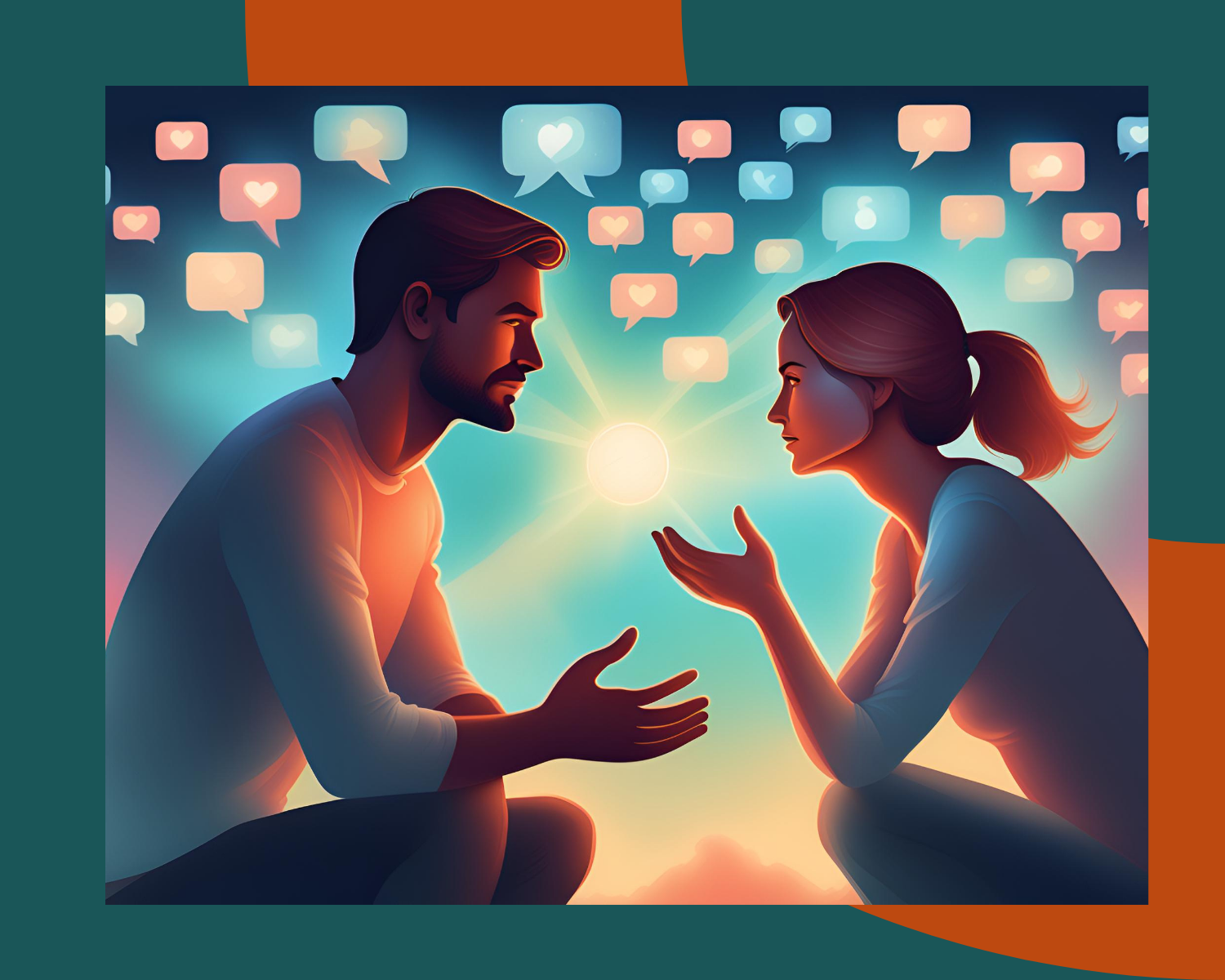
- Intense need for closeness and intimacy
This intense need to be close to one's partner can sometimes be on the verge of being clingy. Yet it can be a good thing if managed correctly. It is easy to let their partner know they are loved, appreciated, and needed.
- Hypervigilance of partner's emotions and behaviors
Preoccupied attached individuals are very observant of what their partners do. It is as if they see everything. This is good in a certain sense, but it can be overwhelming to their partners. They tend to give too much attention to their emotional needs which can be draining. And when their partner needs ‘me time’ they feel they aren’t good enough to fulfill the emotional needs of their partner.
- Fear of abandonment and rejection
With the fear of being rejected and ‘failing’ their partners, they are quick to want to please.
- Low self-esteem and self-worth
Preoccupied individuals don’t value themselves very highly. They are likely to talk down to themselves and work hard to show others they are good enough to keep around, especially with their fear of rejection in the mix too.
- Difficulty regulating emotions
Even though they can easily share their feelings, keeping them in check is a different story. Emotions, when left to themselves can be like a run-away train, hard to get under control.
2. How preoccupied attachment develops:
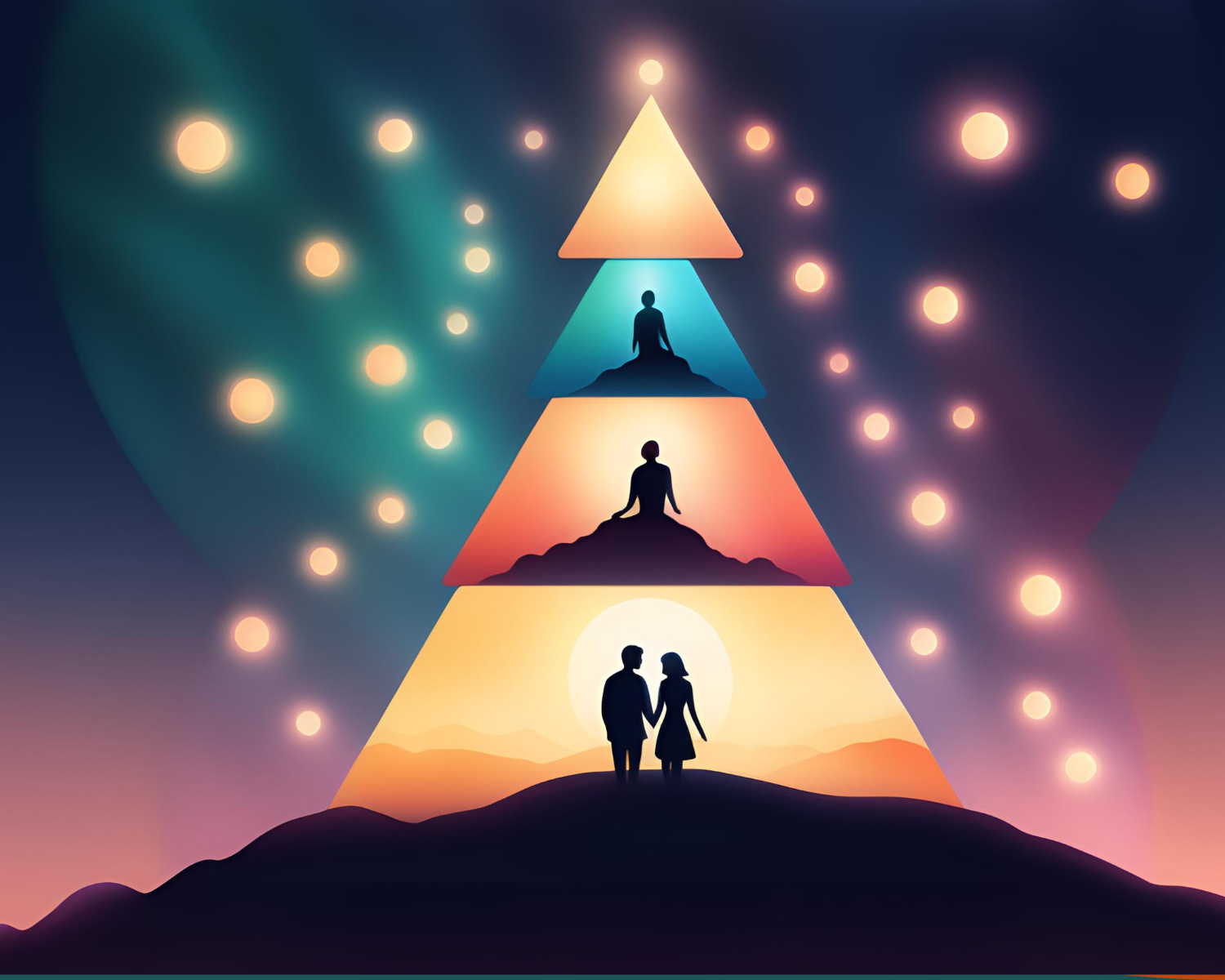
There can be many different experiences that can cause a person to develop a preoccupied attachment style, conditional love, unpredictable circumstances, overprotective parents, and separation anxiety. One or all of these can play a role in what kind of adult you have become.
And just because you grow up in the same house as your siblings does not mean you all will turn out the same. Each person processes things differently according to their personality, age, and emotion when certain events take place.
- Inconsistent caregiving
When parents weren’t consistent in their behavior or their emotional state. I realize life happens and there are certain things out of our control. I do not want you to go around blaming them for the faults in your life now. It is up to you to take the responsibility to change as an adult.
- Trauma or loss
Certain events can have devastating effects on our emotions and how we respond to life. When we are young our brains have not fully developed and we cannot process certain emotions correctly. So if something dramatic occurred while you were a child the preoccupied tendencies could stem from that.
A few examples are the divorce of parents, the death of a loved one, a car accident, and sickness of yourself or someone close to you. It is not limited to this, what you and I view as traumatic is not always the same.
- Genetic predisposition
Your DNA has more to do with who you are than just the color of your eye and how tall you are. The way you handle your emotions also stems from your genes. Did you know you can change your DNA? The food you eat and your attitude, negative or positive, can affect your genes. Something to think about.
3. Benefits of preoccupied attachment in relationships:
- High levels of empathy and emotional sensitivity
You can relate easily to what others are going through. When your partner or people in your life are going through something you are quick to pick up on it.
- Strong desire for emotional intimacy
Opening up comes naturally to you and you feel a strong desire to be close to your partner. You want to be close to them on an emotional level. Being open about your feelings brings you closer to your partner. When someone is open with you it becomes easier to open up too. Your partner might feel they can share their feeling with you seeing that you were vulnerable with them.
- Dedication and loyalty to partners
You won’t do anything to intentionally jeopardize the relationship. You are a dedicated person and are loyal to a flaw.
- Enthusiasm for relationship growth and improvement
You are eager to grow your relationship and you typically always want to take your relationship to the next level. If you see a fault in the relationship you would want to work to find a solution.
4. Comparisons to other attachment styles:

- Preoccupied vs. Secure attachment
Preoccupied attachment is characterized by anxiety and a need for constant reassurance, while secure attachment involves comfort with intimacy and independence. Securely attached individuals generally have more stable, satisfying relationships compared to those with preoccupied attachment.
- Preoccupied vs. Avoidant attachment
Preoccupied individuals seek closeness and fear abandonment, whereas avoidant individuals tend to distance themselves emotionally and value independence. This contrast often leads to a pursuer-distancer dynamic in relationships between these two types.
- Preoccupied vs. Disorganized attachment
Preoccupied attachment maintains a consistent (albeit anxious) approach to relationships, while disorganized attachment is characterized by conflicting behaviors and a lack of coherent coping strategies. Disorganized attachment is often associated with more severe childhood trauma or abuse compared to preoccupied attachment.
5. Tips for fostering preoccupied attachment:

- Building self-awareness and emotional intelligence
Take the responsibility to grow as a person. Work on your independence while maintaining healthy relationships.
- Practicing effective communication skills
Communicate your needs and desires to your partner. The two of you might not agree, but find a middle ground on things you agree on. Set healthy boundaries that work for both parties.
- Developing healthy coping mechanisms
When you are in a place where you feel lonely and need connection you need to find a way to relieve these feelings without becoming a burden to your partner. Find what works for you, prayer, meditation, affirmations or journaling can all help relieve the anxiety you feel when not around your partner.
Understanding preoccupied attachment opens a window into the complex world of human relationships. While it presents unique challenges, it also offers opportunities for deep emotional connection and personal growth. By recognizing the characteristics and origins of this attachment style, individuals can embark on a journey of self-discovery and healing. Whether you identify with preoccupied attachment or are in a relationship with someone who does, remember that change is possible. With self-awareness, communication, and sometimes professional support, developing more secure attachment patterns is feasible. Ultimately, the goal isn't to erase our attachment history, but to learn from it, growing into healthier, more fulfilling relationships. As we navigate the intricacies of love and connection, let's approach preoccupied attachment with compassion, understanding that it's just one of many ways humans have adapted to seek love and belonging in an unpredictable world.
Hi, I am Charisse Swart
Greetings, lovely readers! I am delighted to connect with you through the shared spaces of our digital world. As a dedicated homemaker, my days are woven with the threads of familial love, nurturing, and the subtle art of creating a haven within the walls of our humble abode.
While I occasionally attempt to don the cloak of logic, my dear husband often lovingly nudges me back to the realm of my true nature - that of a relational soul. You see, I possess a heart that thrives on connections, cherishing the intricate tapestry of relationships that grace our lives.
My journey is fueled by an unwavering passion for fostering flourishing bonds between people. There's an innate joy that blooms within me when I witness the beauty of heartfelt connections, the kind that endure the tests of time and adversity.
Yet, amidst the beauty, there exists a poignant ache within me when I see marriages falter, falling short of their boundless potential. It is this very longing for the realization of every relationship's full splendor that propels me forward, seeking understanding, insight, and perhaps, a touch of wisdom to share along the way.
Thank you for joining me on this adventure. May our shared exploration illuminate the path toward deeper understanding, compassion, and the boundless possibilities that lie within the embrace of genuine relationships.


