Talk n Listen

4 Different Attachment Styles In Relationships
Charisse Swart
Attachment styles are patterns of emotional bonding that shape how individuals form and maintain relationships, stemming from early caregiving experiences.

What Are The Different Attachment Styles?
We are going to discover the different attachment styles that you can find in a relationship.
Each attachment style comes with its own challenges and learning how to navigate these can be essential to having a successful relationship.
In this article I will give a broad overview of each of them. I will be going deeper into each of these in articles that follow. I release one to two new articles a week. Keep reading if you want to find out more about how to handle each of these attachment styles.

1. Avoidant Attachment:
The avoidant is a person that would rather do things on their own than rely on someone else. They distance themselves from deep connections so as not to get hurt. People with avoidant attachment tend to be emotionally distant and uncomfortable with closeness. Deep conversations rarely take place. They often prioritise independence and may struggle to trust or rely on others. They may seem to be secretive and not open up to others easily. Many avoidance may seem to have a very steady emotional temperance, when in fact they feel threatened by the idea of getting close to another person.
Avoidances do all this as an act of self preservation; they want to protect themselves from getting hurt. These attributes can be stemmed from childhood trauma and the though of having to go through the pain again is too hard.
2. Secure Attachment:
Secure attachment is possibly the most stable style there is. Individuals typically have positive views of relationships and themselves. They're comfortable with intimacy, can depend on others, and are responsive to their partners' needs. They have their emotions in balance; when they go through a hard time they bounce back fairly quickly. Some of their good qualities are that they show empathy towards their partners and have healthy boundaries in place. Learn how to set healthy boundaries.
Secure people often come from a consistent family life when going up. There were healthy boundaries and they felt secure both physically and emotionally.
3. Preoccupied (Anxious) Attachment:
Those with preoccupied attachment often seek high levels of intimacy, approval, and responsiveness from partners. They are insecure in the relationship and need constant reassurance that things are okay. They may be overly dependent and fear abandonment. People with preoccupied attachment struggle to rely on their partner and are easily suspicious of them, becoming tremendously jealous of their partner.
This can stem from a childhood where parents were overprotective and always anxious themselves. Other times a trauma can be the onset of this attachment style.
4. Disorganised Attachment:
This style is characterised by inconsistent behaviour in relationships. Individuals may simultaneously desire closeness while fearing intimacy, leading to unpredictable responses to partners. It can leave their partners feeling both loved and hated at the same time. Their deepest desire is to feel safe in a relationship yet they do not feel deserving of the fact.
As they have been hurt in the past they feel terrified to get hurt again.
Growing up they possibly had a care-giver that was unstable and inconstant. In the past love was given on conditions and they never really experienced unconditional love.
What Role Do These Attachment Styles Play In A Relationship
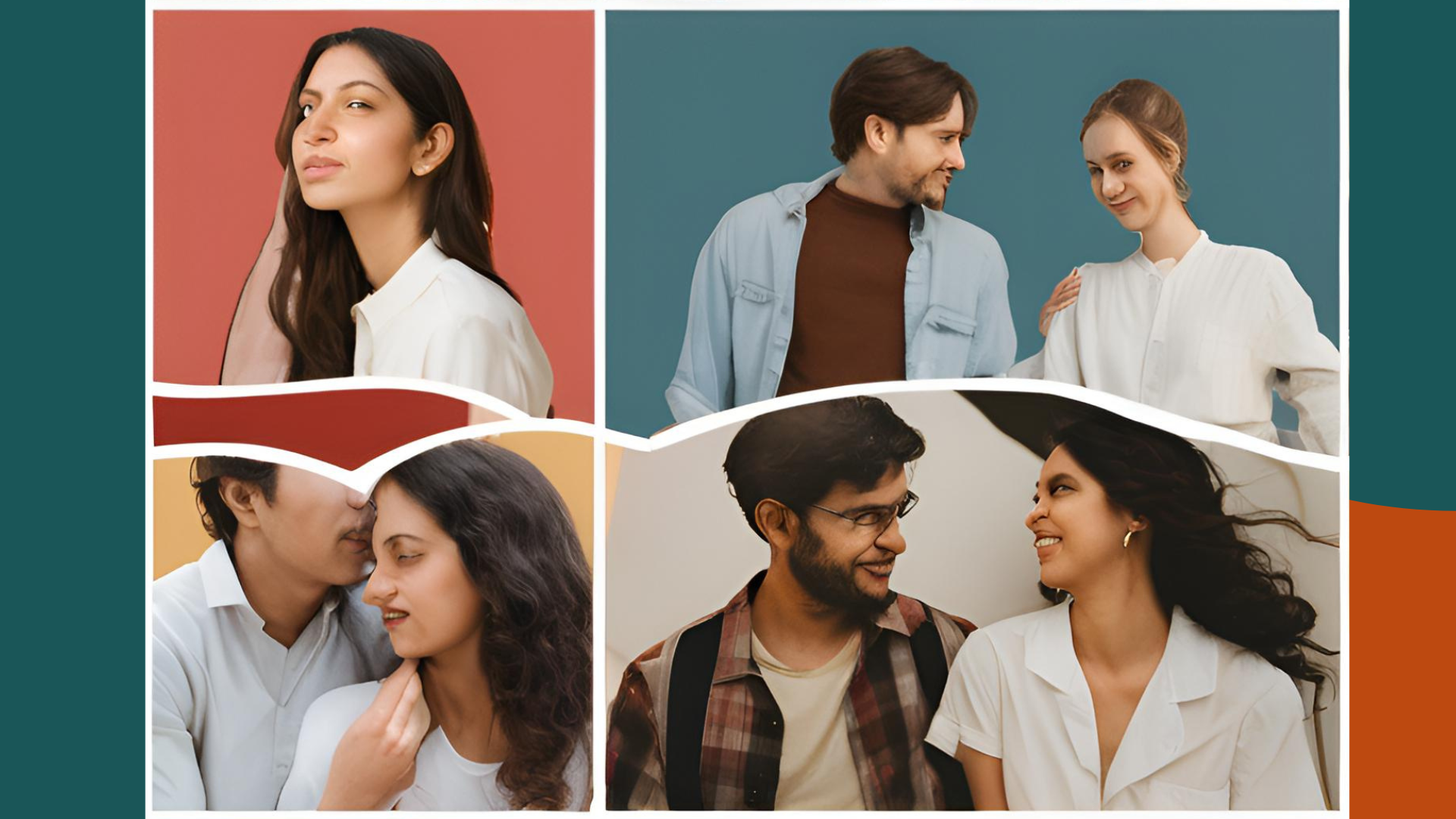
1. Avoidant Attachment In Relationships:
In relationships, they might appear distant, reluctant to commit, or quick to pull away when things get too intense. This can lead to frustration for their partners, who may feel unloved or neglected. Avoidant individuals often have difficulty asking for help or support, which can create barriers in the relationship.
2. Secure Attachment In Relationships:
Individuals with secure attachment often form the healthiest relationships. They're comfortable with intimacy and independence, providing a stable foundation for their partnerships. These individuals communicate effectively, express their needs clearly, and are responsive to their partner's needs. They handle conflicts constructively and are able to offer and receive support. Secure individuals tend to trust their partners and feel confident in their relationships, leading to higher levels of satisfaction and longevity in their romantic connections. If there are difficulties in the relationship they tend to find a way to work through it with their partner.
3. Preoccupied (Anxious) Attachment In Relationships:
Individuals with preoccupied attachment often seek high levels of closeness, reassurance, and responsiveness from their partners. They may become overly dependent, constantly seeking validation and fearing abandonment. In relationships, they might come across as "clingy" or demanding, requiring frequent reassurance of their partner's love and commitment. This can lead to relationship tension, as their partners may feel smothered or unable to meet their high needs for attention and affirmation. Preoccupied individuals may also be hypersensitive to perceived threats to the relationship, leading to frequent conflicts. Any behaviour can be seen as suspicious and turn to jealousy.
4. Disorganised Attachment In Relationships:
Those with disorganised attachment often have the most challenging time in relationships due to their inconsistent behaviour patterns. They may simultaneously crave closeness while also fearing intimacy, leading to confusing and unpredictable responses to their partners. In relationships, they might alternate between pursuing closeness and pushing their partner away, creating a chaotic dynamic. They may struggle with trust, emotional regulation, and maintaining stable relationships. Partners of individuals with disorganised attachment often feel confused and may find it difficult to establish a secure connection.

These different attachment styles can make relationships challenging. It is not impossible to navigate through them. If you are a partner to one of these, which we can hope you got a ‘secure’ partner, it is good to learn all you can. Before you marry someone with a more challenging attachment style, be honest with yourself if you can handle this for the rest of your life. Keep in mind these will only get worse once married because they don’t have to impress you anymore.
Are you at a place where you are wondering if you are ready for marriage? Click Here
Or are you married and need to get the secrets to a happy marriage? Click Here
Hi, I am Charisse Swart
Greetings, lovely readers! I am delighted to connect with you through the shared spaces of our digital world. As a dedicated homemaker, my days are woven with the threads of familial love, nurturing, and the subtle art of creating a haven within the walls of our humble abode.
While I occasionally attempt to don the cloak of logic, my dear husband often lovingly nudges me back to the realm of my true nature - that of a relational soul. You see, I possess a heart that thrives on connections, cherishing the intricate tapestry of relationships that grace our lives.
My journey is fueled by an unwavering passion for fostering flourishing bonds between people. There's an innate joy that blooms within me when I witness the beauty of heartfelt connections, the kind that endure the tests of time and adversity.
Yet, amidst the beauty, there exists a poignant ache within me when I see marriages falter, falling short of their boundless potential. It is this very longing for the realization of every relationship's full splendor that propels me forward, seeking understanding, insight, and perhaps, a touch of wisdom to share along the way.
Thank you for joining me on this adventure. May our shared exploration illuminate the path toward deeper understanding, compassion, and the boundless possibilities that lie within the embrace of genuine relationships.


